
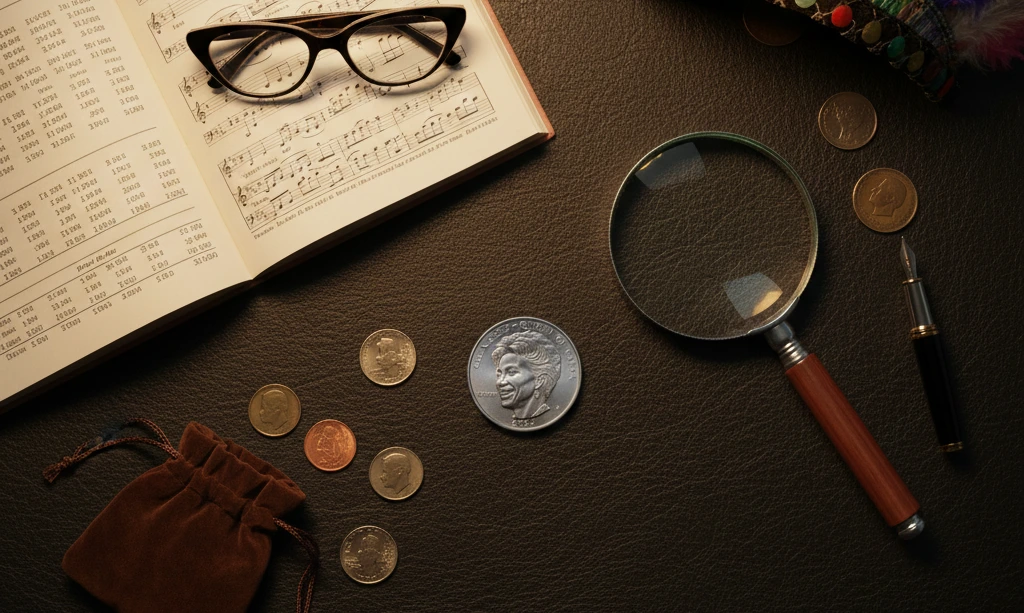
The 2024 Celia Cruz quarter worth is a United States twenty-five cent coin issued as part of the American Women Quarters Program, the coin shows Celia Cruz and was released for circulation, availability depending on production numbers, mint location, and distribution channels, all factors influencing how many coins appear in circulation and how much they are worth in 2025 and 2026.
Design and Identification Features
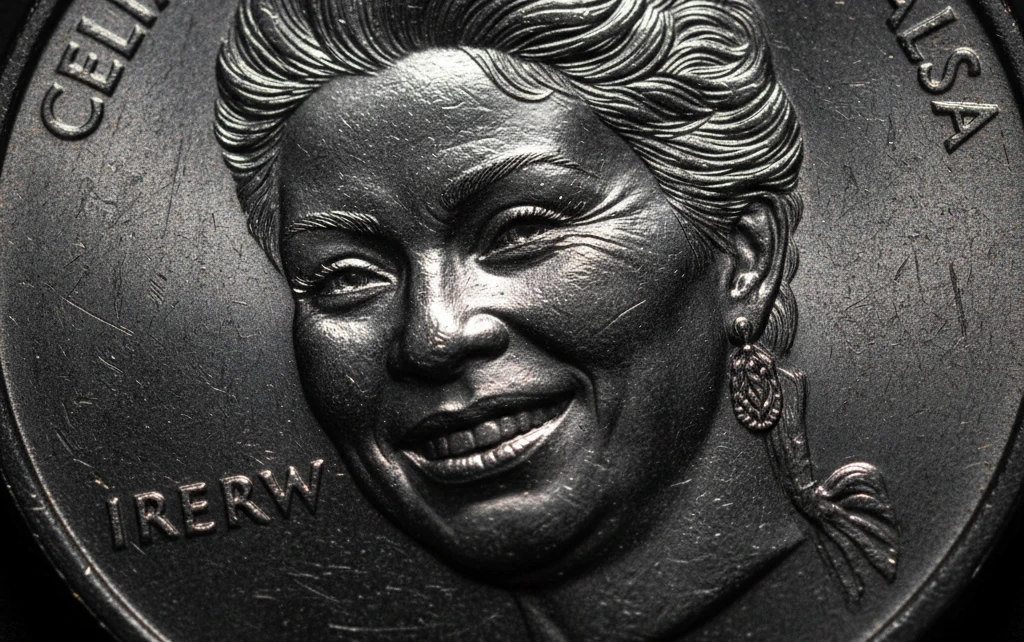
The 2024 Celia Cruz quarter shows a portrait of Celia Cruz on the reverse side, the obverse side shows George Washington as on other modern quarters, the coin includes musical elements and the program name, the year, and mint mark are clearly printed on the coin.
Key identification points include:
Coin type: Quarter dollar
Program: American Women Quarters
Reverse subject: Celia Cruz
Metal: Copper and nickel
Correct identification is necessary before using a price list because other quarters may appear similar.
Mintage Numbers and Rarity Levels
The rarity of the 2024 Celia Cruz quarter depends mainly on how many coins the Mint produces, lower mintage numbers increase rarity, higher mintage numbers reduce it, rarity levels are often shown on price lists to help buyers compare coins.
Rarity categories include:
Common: Over 10 million coins
Uncommon: 1 million to 10 million coins
Rare: Under 1 million coins
Lower mintage coins usually have higher value, higher mintage coins are closer to face value. You can easily check it with the coin identifier app.
Rarity Level | Mintage Range | Price Estimate |
Common | 10,000,000+ | $0.25–$1 |
Uncommon | 1,000,000–10,000,000 | $1–$3 |
Rare | Under 1,000,000 | $5–$20 |
Values change with demand and condition, numbers showing approximate market trends.
Mint Marks and Their Significance
The 2024 Celia Cruz quarter is produced at multiple mints, mint marks show origin, “P” stands for Philadelphia, “D” for Denver, production differs slightly between mints, collectors often prefer coins from both mints to complete sets.
Mint mark effects include:
Different production quantities
Slight variations in design
Collector interest in complete mint sets
Coins from both mints usually have similar base prices, small premiums sometimes appear for collectors.
Condition and Grading Levels
Condition is one of the most important factors for value, uncirculated coins show no wear, circulated coins show scratches or marks, grading affects how much buyers pay, most price lists show values for standard condition levels.
Condition levels include:
Uncirculated
Lightly circulated
Heavily circulated
Uncirculated coins are worth more than face value, circulated coins are closer to face value, proper storage preserves value.
The "Tear" Error
Sometimes, a small piece of the metal machine breaks. This leaves extra metal on Celia’s face.
What it looks like: A small metal "drop" or "tear" under her eye or near her mouth.
Value: It adds $15 to $50 to the price.
Strike-Through
This happens when something like grease or a tiny thread gets inside the machine while making the coin.
What it looks like: A small hole or mark on Celia’s forehead that looks like an extra eye.
Value: Usually worth $20 to $40.
Double Die
Sometimes the machine hits the coin twice, but not in the same place. This makes the pictures or letters look double.
Where to look: Look at the word "Liberty," the year "2024," or Celia’s earrings and hair.
Value: Between $10 and $50.
Die Cracks
When the metal stamp is very old, it starts to break. This leaves long lines on the coin.
What it looks like: A long metal line that looks like a "lightning bolt" across the coin.
Value: Very rare coins with big cracks can be worth $1,000.
Circulation and Distribution Patterns
The coin enters circulation through banks and commercial outlets, coins appear in transactions, availability depends on timing and location, urban areas usually have more coins, rural areas fewer, early release periods give higher chances for collectors to find uncirculated coins.
Distribution channels include:
Banks and credit unions
Retail stores
Cash distribution centers
Online marketplaces
Finding the coin requires checking change or rolls, uncirculated rolls from banks often contain higher-quality coins.
Market Value and Price List Analysis
The 2024 Celia Cruz quarter price list shows coins sorted by condition, mint mark, and rarity, price ranges reflect market demand and coin quality, most circulation coins stay near face value, rare or uncirculated coins are worth more, error coins are most valuable.
Estimated prices include:
Condition | Typical Value |
Circulated common | $0.25–$1 |
Uncirculated common | $1–$3 |
Uncirculated uncommon | $3–$5 |
Rare or error coins | $5–$50+ |
Prices are approximate, value changes over time with demand, price lists serve as reference guides, not guarantees — it’s always better to check your coin with the coin value checker app.
How to Keep Your Coins Safe
If you find a rare coin, you must protect it. If the coin gets dirty or scratched, it loses value.
Always hold the coin by its edges. The oil from your skin can damage the metal.
Only use plastic holders that say "PVC-Free" or "Mylar." Cheap plastic has chemicals that turn coins green.
Store your coins in a dry place. Do not keep them in a basement or a kitchen because water in the air causes rust.
Never wash or polish your coins. Collectors want coins in their original condition.
Why Prices Change
The price of a Celia Cruz error coin is not always the same. It changes for three reasons:
If many people find the same mistake, the price goes down. If your coin is the only one, the price goes up.
This coin is very popular now. If many people want to buy it at the same time, the price increases.
A shiny coin is worth much more than a dull or scratched one. Professional groups like PCGS give coins a grade to show how perfect they are.