
Foundation of Nursing Practice: Communication is the foundation of nursing practice. It involves verbal and non-verbal interactions between healthcare professionals, patients, and their loved ones. From sharing important information about a patient's condition during shifts to providing detailed instructions for taking medications, effective communication is crucial for providing safe and patient-centered care.
Challenges Faced by New Nurses: For new nurses starting their careers, navigating the challenging healthcare environment can be overwhelming. They may face challenges such as being unfamiliar with hospital protocols, uncertain about clinical decision-making, and under pressure to perform in demanding circumstances. However, effective communication with experienced colleagues can provide valuable support and guidance during this transition period.
Harnessing the Wisdom of Veteran Nurses: Veteran nurses bring a wealth of experience and expertise to the nursing field. Their years of experience have equipped them with invaluable insights, problem-solving abilities, and a profound understanding of patient care. Through open communication and mentoring, veteran nurses can impart their knowledge and wisdom to new nurses, assisting them in navigating challenging situations and developing their clinical skills at a faster pace.
Building Trust and Collaboration: Communication between veteran and new nurses fosters trust, respect, and collaboration within the nursing team. When new nurses feel supported and valued by their experienced colleagues, they are more likely to seek guidance, ask questions, and contribute to the team's collective goals. This collaborative environment promotes a culture of learning and continuous improvement, benefiting both individual nurses and the patients under their care.
Enhancing Patient Safety and Outcomes: Effective communication among nursing staff is crucial for ensuring patient safety and promoting positive clinical outcomes. By openly and transparently discussing patient issues, nurses can facilitate early identification of potential problems, allowing for timely intervention and proactive measures to prevent adverse events. Working together as a team, both veteran and new nurses can collaborate to mitigate risks and optimize patient care, ultimately leading to improved patient outcomes.
The intersection of communication and nursing excellence: In summary, effective communication between experienced and new nurses is essential for creating a culture of excellence in nursing practice. By sharing knowledge, encouraging collaboration, and prioritizing patient safety, nurses can work together to provide better care and improve patient outcomes. As leaders and educators in nursing, it is crucial to recognize the importance of communication skills and invest in strategies that promote meaningful exchanges among staff. In this article, we will explore specific strategies and best practices for improving communication between experienced and newer nurses, as well as the impact of these efforts on patient care.
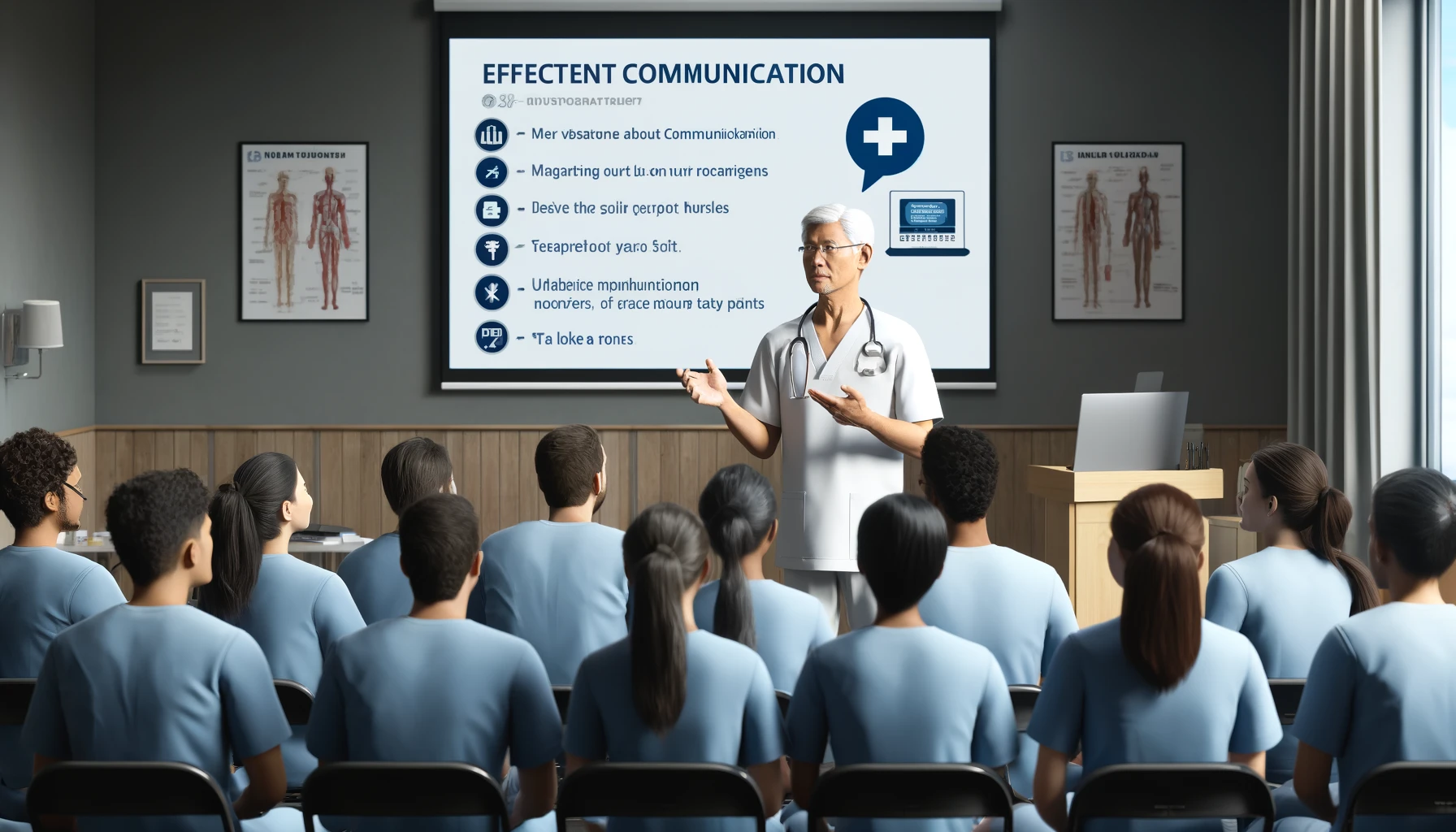
Strategies for Enhancing Communication Between Veteran and New Nurses
Improving communication between veterans and new nurses requires proactive strategies and a supportive organizational culture. This section will explore practical approaches and best practices for fostering effective communication within nursing teams, with the goal of ultimately leading to better patient outcomes.
Establishing Mentorship Programs: Mentorship programs match experienced nurses with new graduates or novice nurses to facilitate knowledge transfer, skill development, and professional growth. Through these formalized relationships, organizations ensure that new nurses have access to guidance, support, and role modeling from experienced professionals. These programs promote open communication, trust, and collaboration between veterans and newcomers, ultimately leading to improved patient care and better outcomes.
Encouraging Open Dialogue: Creating a culture of open communication is essential for promoting collaboration and teamwork among nursing staff. Leaders should encourage all nurses, regardless of experience level, to voice their opinions, ask questions, and share concerns openly. Regular team meetings, huddles, and debriefing sessions provide opportunities for nurses to communicate effectively, exchange ideas, and address challenges collectively. By fostering an environment where communication is valued and respected, organizations can enhance collaboration and promote a culture of safety and excellence in patient care.
Providing Communication Skills Training: Effective communication is a learned skill that can be honed through education and training. Organizations should offer communication skills training programs for nursing staff, focusing on active listening, conflict resolution, assertiveness, and interprofessional communication. These training initiatives equip nurses with the tools and techniques needed to communicate effectively with colleagues, patients, and other members of the healthcare team. By investing in communication skills training, organizations can empower nurses to navigate challenging situations with confidence and professionalism, ultimately enhancing patient outcomes.
Utilizing Technology Solutions: Technology solutions can streamline communication and facilitate information sharing among nursing staff. Electronic health record (EHR) systems, secure messaging platforms, and mobile communication devices enable nurses to access patient information, communicate with colleagues, and coordinate care more efficiently. By leveraging technology solutions, nursing teams can overcome communication barriers, enhance care coordination, and improve workflow efficiency. However, it's essential to ensure that technology solutions are user-friendly, accessible, and aligned with nurses' workflow to maximize their effectiveness in promoting communication and collaboration.
Promoting Interdisciplinary Collaboration: Effective communication extends beyond nursing teams to include collaboration with other healthcare disciplines, such as physicians, pharmacists, and allied health professionals. Interdisciplinary rounds, collaborative care conferences, and multidisciplinary team meetings provide opportunities for nurses to communicate and collaborate with other members of the healthcare team. By fostering interdisciplinary collaboration, nurses can gain valuable insights, exchange information, and coordinate care seamlessly, ultimately benefiting patient outcomes and satisfaction.
Celebrating Successes and Learning from Challenges: Recognizing and celebrating successful communication initiatives reinforces their importance and encourages ongoing engagement among nursing staff. Organizations should acknowledge and celebrate examples of effective communication, teamwork, and collaboration through recognition programs, awards, and public acknowledgments. Additionally, it's essential to debrief and learn from communication challenges or adverse events, identifying areas for improvement and implementing corrective actions to prevent recurrence. By fostering a culture of continuous learning and improvement, organizations can cultivate a positive work environment where communication flourishes, and patient outcomes thrive.
The Impact of Effective Communication on Patient Outcomes
The implementation of communication strategies between veteran and new nurses yields tangible benefits that directly translate to improved patient outcomes. In this final section, we'll examine the significant impact of effective communication on patient care quality, safety, and satisfaction.
Enhanced Care Coordination: Effective communication fosters seamless care coordination among nursing staff, ensuring that patients receive timely and comprehensive care. When veteran and new nurses communicate openly and collaboratively, they can coordinate patient assessments, interventions, and follow-up care more effectively, minimizing delays and maximizing the efficiency of care delivery. This coordinated approach reduces the risk of errors, prevents missed opportunities for intervention, and ultimately improves patient outcomes.
Reduced Medical Errors: Clear and concise communication among nursing teams is essential for preventing medical errors and adverse events. When veteran nurses effectively communicate patient information, care plans, and critical findings to new nurses, it enhances situational awareness and promotes safe patient care practices. By minimizing communication gaps and misunderstandings, nursing staff can identify and address potential risks proactively, reducing the incidence of medication errors, falls, and other adverse events that compromise patient safety.
Improved Patient Satisfaction: Effective communication between veteran and new nurses contributes to positive patient experiences and satisfaction. When nursing staff communicate openly, empathetically, and respectfully with patients and their families, it fosters trust, reassurance, and confidence in the care being provided. Patients appreciate clear explanations, attentive listening, and responsive communication from nursing staff, which enhances their overall satisfaction with the care experience. By prioritizing communication excellence, nursing teams can create a supportive and patient-centered care environment that meets the diverse needs and preferences of patients and families.

Optimized Clinical Outcomes: The implementation of communication strategies leads to optimized clinical outcomes, including improved patient recovery, reduced complications, and shorter hospital stays. When nursing staff collaborate effectively, share critical information, and coordinate care seamlessly, it ensures that patients receive evidence-based interventions and timely interventions tailored to their individual needs. This patient-centered approach promotes optimal healing, enhances functional outcomes, and supports the achievement of patient goals, ultimately leading to better clinical outcomes and improved overall health status.
Stronger Nurse-Patient Relationships: Effective communication between veteran and new nurses strengthens nurse-patient relationships and promotes therapeutic interactions. When nursing staff communicate empathetically, respectfully, and transparently with patients, it fosters a sense of partnership, mutual respect, and trust in the nurse-patient relationship. Patients feel valued, understood, and supported by nursing staff, which enhances their engagement in care, adherence to treatment plans, and overall satisfaction with the care experience. By prioritizing communication excellence, nursing teams can build strong nurse-patient relationships that promote positive health outcomes and enhance the overall quality of patient care.
In conclusion, effective communication between veteran and new nurses is essential for promoting optimal patient outcomes, safety, and satisfaction. By implementing proactive communication strategies, fostering collaboration, and prioritizing patient-centered care, nursing teams can create a supportive and empowering care environment that enhances the well-being and recovery of patients. As nursing leaders and educators, it is imperative to recognize the critical role of communication in nursing practice and invest in initiatives that promote communication excellence among nursing staff. By doing so, we can ensure that patients receive the highest quality of care and experience positive outcomes throughout their healthcare journey.